

If you are planning to launch or rebuild a business website this year, you have probably hit the same fork in the road thousands of owners face: should you invest in a custom-coded WordPress theme or go with the popular Divi page builder from Elegant Themes? Both can produce a working website, but the long term consequences for your business are very different.
This guide cuts through the marketing claims and looks at the real tradeoffs across speed, flexibility, cost, SEO and maintenance, so you can make a decision based on facts rather than hype.
Quick answer: which one is better in 2026?
If you need a small brochure site live in a few days and you do not plan to scale aggressively, Divi is a reasonable choice. If your website is a core revenue channel, needs to be fast, SEO-friendly and easy to evolve over years, a custom WordPress theme will almost always win.
The rest of this article explains exactly why, with concrete criteria.
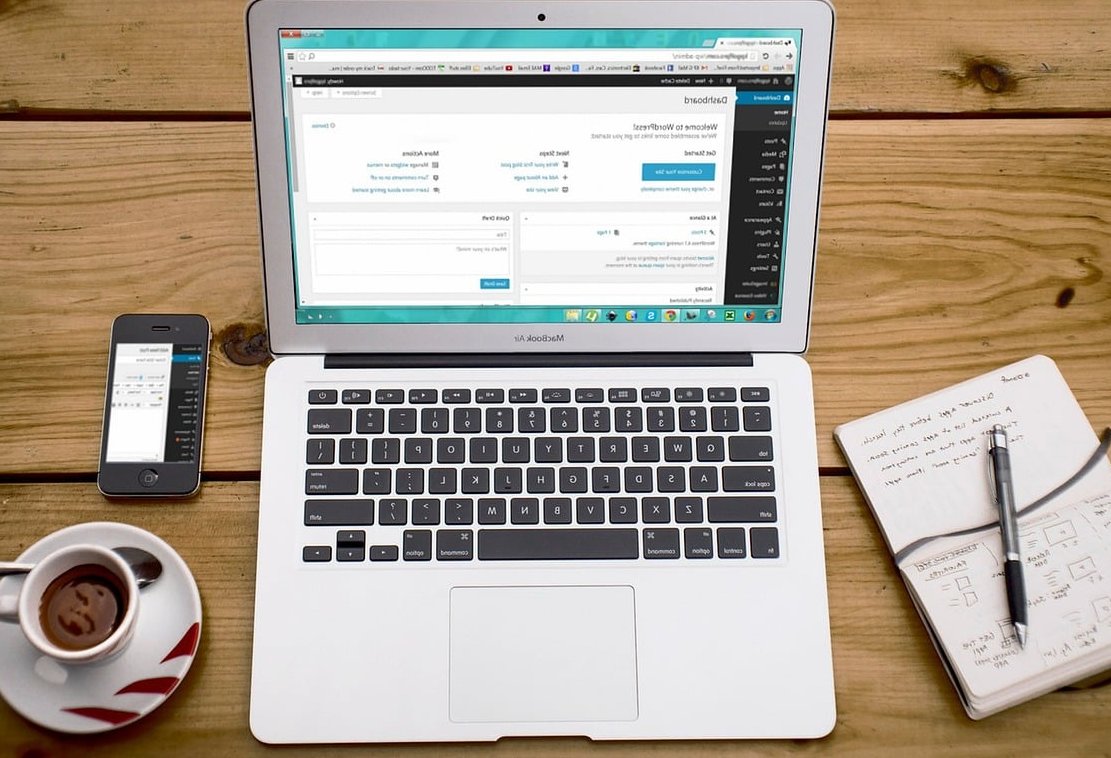
What is a custom WordPress theme?
A custom WordPress theme is a theme built specifically for your business, usually based on a lightweight starter (such as Underscores, GeneratePress child themes, or a block-based foundation). A developer writes only the code you actually need: your layout, your blocks, your custom post types, your integrations.
The result is a clean, minimal codebase tailored to your brand and your conversion goals.
What is Divi?
Divi is an all-in-one WordPress theme and visual builder developed by Elegant Themes. It lets non-developers design pages by dragging modules onto a canvas. Divi 5, the current generation, brings a faster rendering engine and a refreshed editor, but it remains a heavy, do-everything framework.
Custom WordPress Theme vs Divi: side by side comparison
| Criteria | Custom WordPress Theme | Divi |
|---|---|---|
| Performance | Excellent, only loads what you use | Average, loads framework even on simple pages |
| Core Web Vitals | Easy to keep in the green | Requires caching plus optimization plugins |
| Upfront cost | Higher (2,000 to 15,000 USD typical) | Low (around 89 USD per year or 249 USD lifetime) |
| Editing by non-tech staff | Good if built with the block editor | Excellent, visual drag and drop |
| Flexibility for custom features | Unlimited | Limited by what modules allow |
| Lock-in risk | Low | High, content is wrapped in Divi shortcodes |
| Long term maintenance | Predictable, you control updates | Dependent on Elegant Themes roadmap |
| Security surface | Minimal code, smaller attack surface | Large codebase, more potential vulnerabilities |
1. Performance and Core Web Vitals
This is where the gap is the widest. A custom theme typically ships only the CSS and JavaScript needed for the page being rendered. Divi, even after the improvements in Divi 5, still loads a substantial framework so the visual builder can work on the front end.
Practical impact for a business site:
- Faster Largest Contentful Paint, which directly affects bounce rate on mobile
- Better SEO ranking signals because Google still weighs page experience
- Lower hosting costs at scale, fewer server resources used per visitor
You can optimize Divi with caching, critical CSS plugins and image lazy loading, but you are essentially paying twice: once to add features and again to compensate for them.

2. Flexibility and growth
Divi gives you huge flexibility within the boundaries of its modules. The moment your business needs something the builder does not offer, such as a custom booking flow, a complex product configurator, or a deep integration with your CRM, you hit a wall.
With a custom theme:
- Any third party API can be integrated cleanly
- Custom post types and taxonomies can be designed around your real data
- The admin experience can be tailored so your team only sees what they need
This is the point raised by experienced developers across communities like Reddit and specialised blogs: Divi is fine for brochure sites, but it struggles when business logic gets serious.
3. Cost: looking beyond the sticker price
On paper, Divi looks cheap. A yearly subscription costs less than a single day of development. But the total cost of ownership tells a different story over three to five years.
Real cost over 3 years
| Item | Custom Theme | Divi |
|---|---|---|
| Initial build | 5,000 USD | 1,500 USD |
| License fees (3 years) | 0 | 267 USD |
| Performance plugins | 0 to 100 USD | 150 to 300 USD |
| Hosting (tier needed) | Standard | Often upgraded |
| Maintenance hours | Low | Medium to high |
The gap narrows considerably once you factor in everything. And if you ever want to migrate away from Divi, the cleanup cost can be enormous because of all the shortcodes left in your content.
4. Long term maintenance and lock-in
This is the criterion most business owners underestimate. When you switch off Divi, your pages often become a soup of unreadable shortcodes. Migrating to another theme or to a headless setup later means rebuilding content manually.
A well coded custom theme stores content in the native WordPress block editor or standard fields, which means:
- You can change theme designers without rewriting your site
- Your content survives any future platform migration
- Updates are predictable rather than risky
5. SEO considerations
Both options can rank well, but custom themes start with structural advantages:
- Cleaner HTML output, easier for crawlers to parse
- Smaller DOM, better INP and LCP scores
- Native schema markup tailored to your business model
- No unnecessary div wrappers that Divi tends to add to every section
When Divi is actually the right choice
We are not anti Divi. There are real scenarios where it makes sense:
- You are a solo founder or a very small team with no developer budget
- You need to ship a landing page or brochure site this week
- Your team will edit content daily and needs a visual interface
- You expect to keep the site simple for the foreseeable future
When a custom WordPress theme is clearly worth it
- Your website generates leads, sales or bookings as a primary channel
- You need fast loading on mobile to compete in your market
- You have a unique brand identity you want to protect
- You plan to integrate with CRMs, ERPs, payment systems or custom dashboards
- You want a site that will still serve you in five years
Hybrid approach: the best of both worlds
Many agencies, including ours, now recommend a middle path for 2026: a lightweight custom theme combined with the native WordPress block editor and a few well chosen custom blocks. This setup gives non-technical staff a true visual editing experience without the bloat of Divi, while keeping the performance and flexibility of a custom build.
How to decide in practice
Ask yourself these three questions:
- Is my website a core business asset or a digital business card?
- Do I want full control of the code or do I prefer to rent the platform?
- Am I optimizing for the next 6 months or the next 5 years?
If your answers lean toward long term, control and core asset, invest in a custom theme. If they lean toward fast, cheap and simple, Divi will do the job.
FAQ
Is Divi still good in 2026?
Yes, Divi is still actively developed and Divi 5 fixed many of the historical performance complaints. It remains a solid option for small brochure sites, but it is not the best choice for performance critical or feature rich business websites.
Is a custom WordPress theme really faster than Divi?
In almost every benchmark, yes. A custom theme only loads the assets it needs, while Divi loads its framework on every page. The difference is most visible on mobile and on slower connections.
Can I switch from Divi to a custom theme later?
You can, but it is rarely a clean process. Divi wraps content in proprietary shortcodes, so once you deactivate it, your pages can look broken. Migrating usually means rebuilding pages, which is why we recommend choosing carefully from the start.
What about Elementor, Bricks or Breakdance?
These builders are direct competitors to Divi. Bricks and Breakdance are generally lighter and more developer friendly, while Elementor is closer to Divi in philosophy. None of them match a properly built custom theme on raw performance, but they are valid alternatives if you need a visual builder.
How much does a custom WordPress theme cost in 2026?
Prices vary widely, but a professional custom theme for a business website typically ranges from 2,000 USD for a simple project to 15,000 USD or more for complex sites with custom features and integrations.
Is WordPress itself outdated in 2026?
Not at all. WordPress still powers more than 40 percent of the web and continues to evolve with the block editor and full site editing. The platform is very much alive, and the choice between custom themes and builders like Divi is still highly relevant.
Final thoughts
The custom WordPress theme vs Divi debate is not really about which tool is better in absolute terms. It is about which tool fits your business model, your timeline and your appetite for control. Divi sells convenience. A custom theme sells freedom and performance. Most serious business websites in 2026 will be better served by the second option, especially if you plan to grow.
If you are unsure which path is right for your project, feel free to reach out through our contact page. We will give you an honest assessment based on your actual goals, not on what is easiest to sell.